Monday - Thursday 9AM - 5PM | Friday 9AM - 4PM

What Are the Different Types of Data Loggers? A Comprehensive Guide to Data Logging Solutions
In today’s data-driven world, accurate monitoring and measurement are critical across industries from mining and utilities to pharmaceuticals and environmental research. At the heart of these monitoring systems lies the data logger a versatile device that automatically records measurements over time, providing invaluable insights into temperature, humidity, pressure, and countless other parameters.
Whether you’re monitoring vaccine storage temperatures, tracking environmental conditions in a mining operation, or measuring structural stress in infrastructure, understanding the different types of data logging solutions available can help you choose the right system for your specific needs.
What Is a Data Logger?
A data logger is an electronic device that automatically records data from sensors over time. Unlike manual data collection, which is time-consuming and prone to human error, data loggers provide continuous, accurate measurements that can be stored, analyzed, and accessed remotely. These devices range from simple standalone units to complex networked systems capable of monitoring hundreds of parameters simultaneously.
Types of Data Loggers by Measurement Parameter
1. Temperature Data Loggers
Data logger temperature systems are among the most widely used monitoring solutions across industries. These devices continuously record temperature readings at preset intervals, ensuring critical environments remain within safe operating ranges.
Common Applications:
- Pharmaceutical and vaccine cold chain monitoring
- Food storage and transportation compliance
- HVAC system performance tracking
- Manufacturing process control
- Laboratory research and environmental studies
Temperature data loggers range from simple single-channel devices to multi-channel systems capable of monitoring multiple locations simultaneously. Modern data logger temperature solutions often include wireless connectivity, real-time alerts, and cloud-based data storage for seamless compliance reporting.
2. Humidity and Moisture Data Loggers
These specialized loggers monitor relative humidity levels, often in combination with temperature measurements. They’re essential for applications where moisture control is critical.
Key Uses:
- Museum and archive preservation
- Electronics manufacturing and storage
- Greenhouse and agricultural monitoring
- Building commissioning and HVAC optimization
- Pharmaceutical production facilities
3. Pressure Data Loggers
Pressure data loggers measure and record pressure variations in gases and liquids, making them invaluable for industrial processes and safety monitoring.
Applications Include:
- Pipeline monitoring in oil and gas
- Hydraulic system performance
- Clean room differential pressure tracking
- Leak detection in pressurized systems
- Water treatment and distribution networks
4. Voltage and Current Data Loggers
Electrical data loggers monitor voltage, current, power consumption, and other electrical parameters to optimize energy use and identify system issues.
Common Uses:
- Energy auditing and consumption analysis
- Power quality monitoring
- Battery performance testing
- Renewable energy system optimization
- Equipment maintenance and troubleshooting
5. Environmental Data Loggers
Multi-parameter environmental loggers combine several sensors to provide comprehensive monitoring of ambient conditions.
Typical Measurements:
- Temperature and humidity
- Light intensity and UV radiation
- CO2 and air quality
- Wind speed and direction
- Rainfall and atmospheric pressure
Types of Data Loggers by Connectivity and Design
Standalone Data Loggers
These self-contained units store data internally and require physical connection to a computer for data download. They’re ideal for applications where real-time monitoring isn’t essential.
Advantages:
- Lower cost
- No infrastructure requirements
- Excellent battery life
- Portable and easy to deploy
- Suitable for remote locations without connectivity
Wireless Data Loggers
Wireless data logging solutions transmit data in real-time via WiFi, cellular, radio frequency, or proprietary wireless protocols. These systems enable remote monitoring and instant alerts when parameters exceed set thresholds.
Benefits:
- Real-time data access from anywhere
- Immediate alarm notifications
- Reduced site visits and manual downloads
- Scalable to hundreds of monitoring points
- Integration with existing monitoring platforms
Advanced wireless systems like the XTMS (XTRAN Telemetry Measurement System) can connect up to 100 sensors simultaneously, with ranges up to 800 meters line-of-sight, making them ideal for large industrial facilities and mining operations.
USB Data Loggers
These compact devices plug directly into a computer’s USB port for configuration and data download. They’re popular for transportation monitoring and short-term studies.
Ideal For:
- Shipping and logistics temperature monitoring
- Single-use cold chain validation
- Temporary environmental studies
- Quick deployment scenarios
Cloud-Connected Data Loggers
Modern cloud-based data logging solutions automatically upload data to secure online platforms, enabling sophisticated analytics, multi-site monitoring, and seamless compliance reporting.
Key Features:
- Automated data backup and storage
- Advanced analytics and reporting tools
- Multi-user access with permissions
- Integration with enterprise systems
- Long-term trend analysis across multiple sites
Types of Data Loggers by Industry Application
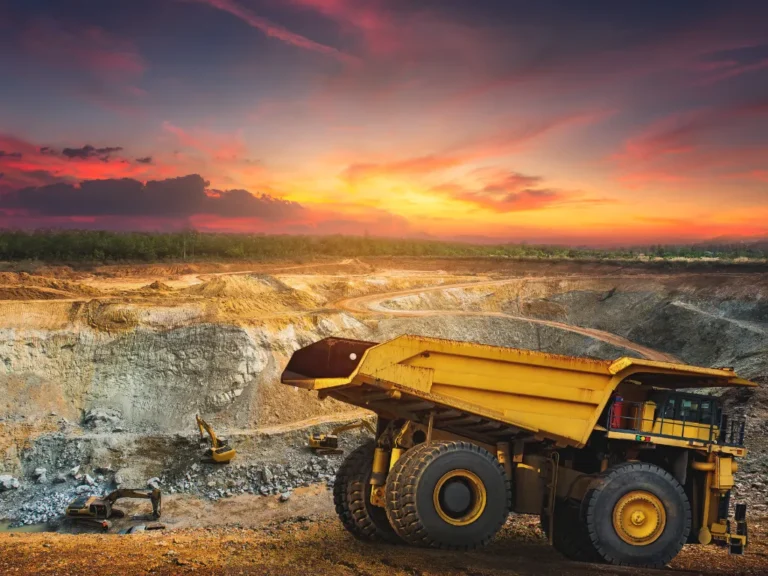
Mining and Industrial Data Loggers
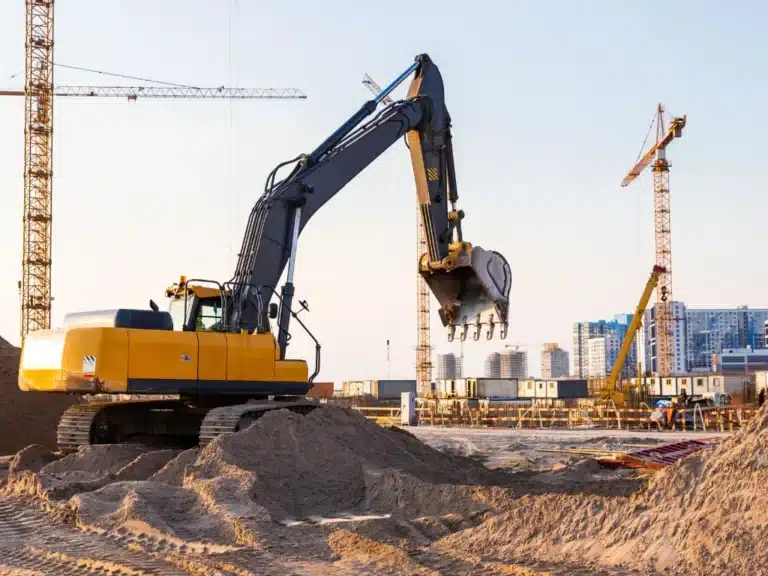
Rugged data logger systems designed for harsh environments in mining, construction, and heavy industry must withstand extreme temperatures, vibration, dust, and moisture while providing reliable measurements.
Critical Applications:
- Equipment health monitoring
- Environmental compliance tracking
- Worker safety monitoring
- Ventilation and air quality measurement
- Structural integrity monitoring
Companies like XTRAN specialize in custom sensor networks and data logging solutions for mining operations, delivering systems that eliminate manual measurement risks and improve operational safety.
Pharmaceutical and Healthcare Data Loggers
These precision instruments ensure regulatory compliance for temperature-sensitive medications, vaccines, and biological samples.
Requirements:
- High accuracy (typically ±0.5°C or better)
- Tamper-proof data storage
- Compliance with FDA 21 CFR Part 11
- Detailed audit trails
- Calibration certificates and documentation
Transportation and Cold Chain Data Loggers
Compact, battery-powered loggers monitor conditions during shipment of perishable goods, providing proof of compliance throughout the supply chain.
Essential Features:
- Long battery life (weeks to months)
- Shock and water resistance
- PDF report generation
- Single-use and reusable options
- GPS tracking integration
Research and Laboratory Data Loggers
Scientific applications demand high-precision instruments with sophisticated calibration and data integrity features.
Capabilities:
- Multiple simultaneous channels
- High-resolution measurements
- Programmable sampling rates
- External sensor compatibility
- Integration with laboratory information systems
Choosing the Right Data Logger
Selecting the appropriate data logger for your application requires careful consideration of several factors:
Measurement Requirements:
- Which parameters need monitoring?
- What accuracy and resolution are required?
- How frequently should measurements be taken?
- How long will the monitoring period last?
Environmental Conditions:
- What temperature range will the logger experience?
- Is the environment dusty, wet, or corrosive?
- Will the device be exposed to vibration or shock?
- Is explosion-proof certification required?
Connectivity and Access:
- Is real-time monitoring necessary?
- What is the available power infrastructure?
- How many monitoring points are needed?
- Do you need remote access to data?
Compliance and Documentation:
- What industry regulations apply?
- Are calibration certificates required?
- What reporting and documentation is needed?
- How long must data be retained?
The Future of Data Logging Solutions
The evolution of data logging solutions continues to accelerate with advances in sensor technology, wireless communications, and cloud computing. Modern systems offer:
Artificial Intelligence and Machine Learning: Predictive analytics identify patterns and potential issues before they become critical problems.
Internet of Things (IoT) Integration: Data loggers connect seamlessly with broader IoT ecosystems, enabling comprehensive facility and process monitoring.
Edge Computing: On-device processing reduces data transmission costs and enables faster response to critical events.
Enhanced Battery Technology: Longer battery life and energy harvesting extend deployment times and reduce maintenance.
Improved Sensors: Smaller, more accurate, and more affordable sensors enable monitoring of previously impractical parameters.
Conclusion
From simple data logger temperature devices to sophisticated multi-parameter wireless monitoring networks, today’s data logging solutions provide unprecedented visibility into critical processes and environments. Whether you’re ensuring vaccine cold chain compliance, optimizing industrial operations, or conducting environmental research, there’s a data logger designed to meet your specific requirements.
When evaluating options, consider not just the technical specifications but also the total cost of ownership, including installation, maintenance, and data management. Working with experienced providers like XTRAN, who offer custom sensor networks and integrated monitoring systems, ensures you get a solution tailored to your unique challenges rather than a one-size-fits-all product.
The investment in proper data logging infrastructure pays dividends through improved safety, enhanced compliance, reduced waste, and better decision-making based on accurate, timely information. As measurement technologies continue to advance, data loggers will play an increasingly vital role in helping organizations operate more efficiently and sustainably.